
Virtual Power Plant (VPP) and Smart Grid: The Future of Energy Management
Introduction to Modern Energy Systems
The way electricity is produced, distributed, and consumed is changing faster than ever before. For more than a century, power systems followed a simple rule: electricity flows in one direction, from large centralized power plants to homes and businesses. Coal, gas, and nuclear plants generated energy, transmission lines carried it across long distances, and consumers passively used whatever power arrived at their sockets. That model worked well in the past, but today it’s showing serious cracks.
Rising energy demand, climate change concerns, and the rapid growth of renewable energy have forced the energy sector to rethink everything. Solar panels on rooftops, wind farms in rural areas, electric vehicles in garages, and battery storage systems in homes are no longer rare sights. Instead of a few massive generators, we now have millions of small energy resources scattered everywhere. Managing this complexity with old-school grids is like trying to control modern air traffic using handwritten notes—it’s inefficient, risky, and outdated.
This is exactly where Virtual Power Plants (VPPs) and Smart Grids step in. Together, they represent a smarter, more flexible, and more resilient energy ecosystem. A smart grid acts like the nervous system of modern electricity networks, sensing, communicating, and responding in real time. A virtual power plant, on the other hand, works like a conductor of an orchestra, coordinating countless small energy resources so they behave like one large, reliable power plant.
In this article, we’ll break down what VPPs and smart grids really are, how they work together, why they matter, and how they’re shaping the future of energy. No complicated jargon, no dry theory—just a clear, human explanation of one of the most exciting transformations happening in the energy world today.
Understanding Virtual Power Plants (VPPs)
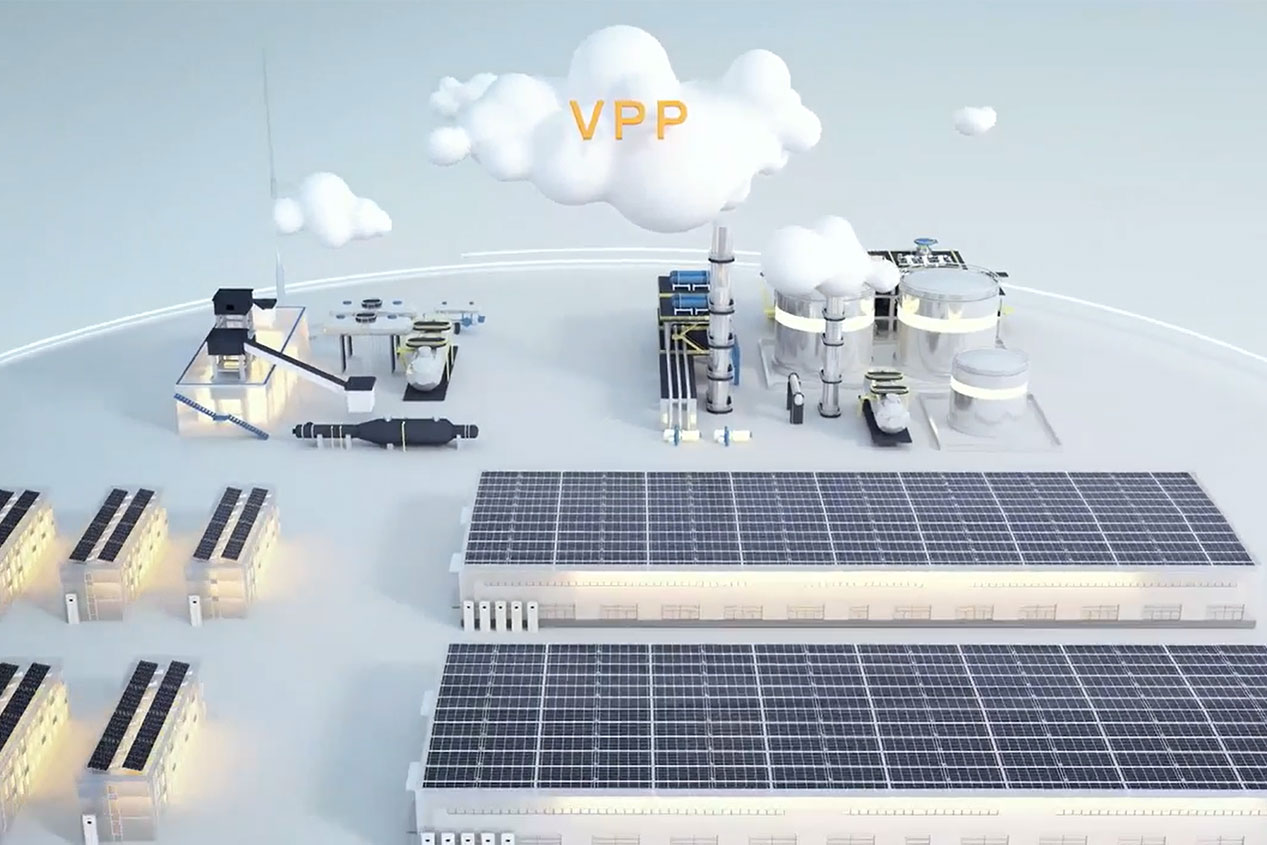
A Virtual Power Plant, often shortened to VPP, isn’t a physical building with smokestacks or turbines. You can’t point to it on a map. Instead, it exists in the digital world, powered by software, data, and connectivity. Think of it as a digital brain that connects and controls many smaller energy resources, making them work together as if they were one big power station.
At its core, a VPP aggregates Distributed Energy Resources (DERs). These resources can include rooftop solar panels, wind turbines, battery storage systems, electric vehicles, heat pumps, and even flexible consumer loads like smart appliances. Individually, these resources are small and unpredictable. But when combined and intelligently managed, they become a powerful and reliable energy source.
What makes a VPP truly special is its ability to respond dynamically to grid conditions. If electricity demand suddenly spikes, the VPP can discharge batteries, reduce non-essential loads, or increase renewable output within seconds. If there’s excess solar energy at noon, the VPP can store it or shift consumption to that time. This flexibility turns a chaotic collection of energy assets into a coordinated system that supports grid stability.
Another key difference between VPPs and traditional power plants is ownership. While conventional plants are usually owned by utilities or large corporations, VPPs often involve thousands of individual participants. Homeowners, businesses, and communities can all contribute their energy assets and get paid for their participation. This democratization of energy is one of the biggest reasons VPPs are gaining attention worldwide.
In simple terms, if a traditional power plant is like a factory, a virtual power plant is like a smart network—adaptive, distributed, and incredibly efficient.
How Virtual Power Plants Work
The magic of a virtual power plant lies in its coordination. Without smart control, a collection of solar panels and batteries is just that—a collection. With VPP software, it becomes a unified, responsive system. The process starts with data. Each connected energy resource continuously sends information about its status, capacity, availability, and performance to a central platform.
This platform, usually cloud-based, analyzes massive amounts of data in real time. It looks at electricity prices, weather forecasts, grid demand, and network constraints. Based on this information, it makes intelligent decisions about when to generate, store, or release energy. All of this happens automatically, often without the end user even noticing.
Communication is another critical element. Two-way communication allows the VPP not only to receive data but also to send commands. For example, it can instruct a battery to discharge power during peak demand or ask a smart water heater to delay operation for an hour. These small actions, when multiplied across thousands of devices, have a huge impact.
One of the most impressive aspects of VPPs is their speed. Traditional power plants can take minutes or even hours to ramp up or down. VPPs can respond in seconds. This rapid response is invaluable for balancing supply and demand, especially when dealing with variable renewable energy sources like wind and solar.
In many energy markets, VPPs can even participate like conventional power plants. They can sell electricity, provide frequency regulation, and offer reserve capacity. From the grid operator’s perspective, a VPP looks and behaves like a single, reliable power source—even though it’s made up of countless small pieces working together behind the scenes.
Types of Virtual Power Plants
Not all virtual power plants are built the same. Depending on their purpose and design, VPPs generally fall into a few main categories. Each type serves a different role in the energy ecosystem, but all aim to improve flexibility and efficiency.
Commercial VPPs are primarily focused on financial optimization. Their main goal is to make money by participating in electricity markets. They buy energy when prices are low, sell it when prices are high, and provide grid services like frequency control. These VPPs are often operated by energy companies or aggregators and rely heavily on advanced market forecasting algorithms.
Technical VPPs, on the other hand, focus on grid stability and operational efficiency. Instead of chasing market profits, they aim to support the physical operation of the grid. This includes balancing local supply and demand, managing congestion, and preventing overloads. Utilities often use technical VPPs to maintain reliability in areas with high renewable penetration.
Then there are community and mixed-use VPPs, which combine elements of both. These systems might serve a neighborhood, a campus, or a city district. They allow participants to share locally generated renewable energy, reduce collective energy costs, and improve resilience during outages. In some cases, they can even operate in island mode, supplying power independently if the main grid goes down.
What all these VPP types have in common is flexibility. They can scale up or down, adapt to different regulatory environments, and evolve as technology improves. This adaptability is one of the reasons VPPs are seen as a cornerstone of future energy systems.
Introduction to Smart Grids
If virtual power plants are the brains coordinating distributed energy resources, smart grids are the intelligent highways that allow all that information and electricity to flow smoothly. A smart grid is not a single technology but an upgraded electricity network that uses digital communication, automation, and data analytics to monitor and manage the flow of electricity in real time.
Traditional power grids were built for a simpler era. Power flowed one way, outages were detected only after customers complained, and operators had limited visibility into what was happening at the edges of the network. Smart grids flip this model on its head. They introduce two-way communication between utilities and consumers, enabling a constant exchange of data. This turns the grid from a rigid machine into a responsive, adaptive system.
One of the defining features of a smart grid is situational awareness. Sensors installed across transmission lines, substations, and even homes provide real-time insights into voltage levels, power quality, and equipment health. This allows grid operators to spot problems before they escalate. Instead of reacting to failures, smart grids prevent them.
Another critical aspect is automation. Smart grids can automatically reroute power when a fault occurs, isolate damaged sections, and restore electricity faster than human crews ever could. This self-healing capability improves reliability and reduces downtime, which is especially important as society becomes more dependent on electricity for everything from communication to transportation.
In essence, a smart grid is the foundation that makes modern energy innovations possible. Without it, technologies like VPPs, large-scale renewable integration, and electric vehicle charging would struggle to operate efficiently and safely.
Core Technologies Behind Smart Grids
Smart grids rely on a powerful mix of hardware and software technologies working together behind the scenes. One of the most visible components is Advanced Metering Infrastructure (AMI). Smart meters replace traditional analog meters and provide detailed, real-time data on electricity consumption. This data helps utilities understand demand patterns while giving consumers better control over their energy use.
Another key technology is the Internet of Things (IoT). Sensors, controllers, and connected devices are embedded throughout the grid, from power plants to household appliances. These devices continuously collect and transmit data, creating a living digital map of the entire energy system. With IoT, the grid can “see” what’s happening everywhere at once.
On top of this data layer sits artificial intelligence and big data analytics. AI algorithms analyze massive datasets to forecast demand, predict equipment failures, and optimize power flows. For example, machine learning models can anticipate when a transformer is likely to fail based on temperature and load patterns, allowing maintenance crews to intervene early.
Communication networks are equally important. Smart grids depend on fast, reliable communication channels—fiber optics, wireless networks, and even satellite links—to ensure data moves quickly and securely. Without strong communication infrastructure, the intelligence of a smart grid simply wouldn’t function.
Together, these technologies transform electricity networks into adaptive systems capable of supporting complex, decentralized energy landscapes. They are the invisible engines powering the smart grid revolution.
Relationship Between VPPs and Smart Grids
Virtual power plants and smart grids are deeply interconnected. In fact, one cannot reach its full potential without the other. A VPP depends on the communication, data visibility, and control capabilities provided by a smart grid. Without real-time information and two-way communication, coordinating thousands of distributed energy resources would be nearly impossible.
Smart grids provide the digital backbone that VPPs rely on. They deliver accurate data about grid conditions, such as congestion, frequency deviations, and voltage levels. This information allows VPP software to make informed decisions about when and how to dispatch resources. In return, VPPs help smart grids operate more efficiently by balancing supply and demand at a local level.
This relationship creates a powerful feedback loop. Smart grids enable VPPs to function effectively, and VPPs enhance the performance of smart grids. For example, during peak demand periods, a VPP can reduce stress on the grid by discharging batteries or reducing loads. This helps prevent blackouts and reduces the need for expensive peaker plants.
Another important synergy is resilience. During extreme weather events or equipment failures, smart grids can isolate affected areas while VPPs provide localized support. In some cases, VPP-enabled communities can maintain power even when the main grid is compromised. This combination is especially valuable as climate-related disruptions become more frequent.
In short, smart grids and VPPs are two sides of the same coin. Together, they form the backbone of a modern, flexible, and resilient energy system.
Benefits of Virtual Power Plants
The advantages of virtual power plants extend far beyond technical efficiency. One of the most significant benefits is grid stability. By rapidly balancing supply and demand, VPPs help maintain frequency and voltage levels, reducing the risk of outages. Their fast response times make them ideal for managing sudden changes in renewable generation.
Cost efficiency is another major advantage. VPPs reduce the need for expensive infrastructure investments, such as new power plants or transmission lines. Instead of building more capacity, utilities can make better use of existing resources. Consumers also benefit financially by earning incentives for participating in VPP programs.
From an environmental perspective, VPPs are a game changer. They enable higher penetration of renewable energy by smoothing out variability and reducing reliance on fossil fuel-based backup plants. This leads to lower greenhouse gas emissions and a cleaner energy mix.
VPPs also empower consumers. Instead of being passive users of electricity, participants become active contributors to the energy system. Homeowners with solar panels or batteries can play a direct role in supporting the grid while earning additional income. This shift toward participatory energy models is reshaping the relationship between utilities and customers.
Ultimately, virtual power plants offer a smarter, cleaner, and more inclusive approach to energy management.
Benefits of Smart Grids
Smart grids deliver benefits across every level of the energy system. For utilities, they offer improved operational efficiency. Real-time monitoring and automation reduce maintenance costs, minimize outages, and extend the lifespan of infrastructure. Problems can be identified and resolved before they impact customers.
Consumers gain greater transparency and control. With access to real-time usage data, households and businesses can make informed decisions about when and how they use electricity. This often leads to lower energy bills and more efficient consumption habits.
Smart grids also play a crucial role in integrating renewable energy. Their ability to manage variable generation and distributed resources makes it easier to connect solar, wind, and storage systems without compromising reliability. This flexibility is essential for achieving sustainability goals.
Another key benefit is resilience. Smart grids recover faster from disruptions and adapt more easily to changing conditions. Whether it’s a storm, a cyber incident, or a sudden surge in demand, smart grids are better equipped to handle the challenge.
In essence, smart grids create a more reliable, efficient, and user-centric electricity system.
Role of Renewable Energy in VPPs and Smart Grids
Renewable energy is the driving force behind the adoption of VPPs and smart grids. Solar and wind power are clean and abundant, but they’re also variable. The sun doesn’t always shine, and the wind doesn’t always blow. Managing this variability is one of the biggest challenges in modern energy systems.
VPPs address this challenge by aggregating diverse renewable sources across different locations. When one solar installation produces less power due to cloud cover, another may still operate at full capacity. This geographic diversity smooths out fluctuations and improves overall reliability.
Smart grids complement this by providing the real-time data and control needed to integrate renewables seamlessly. They adjust power flows, manage voltage levels, and coordinate storage systems to absorb excess generation or release energy when needed.
Together, VPPs and smart grids turn renewable energy from a challenge into an opportunity. They enable higher renewable penetration without sacrificing stability, paving the way for a cleaner energy future.
Energy Storage Systems and Their Importance
Energy storage is the glue that holds VPPs and smart grids together. Batteries, electric vehicles, and even thermal storage systems play a critical role in balancing supply and demand. Storage allows excess renewable energy to be saved and used later, reducing waste and improving efficiency.
In a VPP context, storage systems act like shock absorbers. They respond instantly to changes in grid conditions, providing fast and precise control. Electric vehicles, in particular, represent a massive untapped storage resource. When connected intelligently, they can support the grid while still meeting drivers’ needs.
Smart grids enable this coordination by managing charging and discharging schedules based on real-time conditions. This ensures storage assets are used optimally without compromising user comfort or convenience.
As storage technologies continue to improve and costs decline, their role in VPPs and smart grids will only grow stronger.
Cybersecurity and Data Privacy Concerns
With increased digitalization comes increased risk. Smart grids and VPPs rely heavily on data and connectivity, making cybersecurity a top priority. A successful cyberattack could disrupt power supply, compromise sensitive data, or damage critical infrastructure.
Protecting these systems requires a multi-layered approach. Encryption, authentication, and secure communication protocols are essential. Regular monitoring and threat detection help identify suspicious activity before it causes harm.
Data privacy is equally important. Smart meters and connected devices collect detailed information about consumption patterns. Ensuring this data is handled responsibly and transparently is crucial for maintaining public trust.
By prioritizing security and privacy, stakeholders can ensure the benefits of smart grids and VPPs are realized without exposing the system to unnecessary risks.
Applications and Case Studies
Around the world, virtual power plants and smart grids are already delivering real benefits. In residential settings, community VPPs allow neighborhoods to share locally generated renewable energy, reducing costs and improving resilience. During outages, these communities can maintain essential services independently.
In industrial and commercial environments, VPPs help businesses manage energy costs and support grid stability. Large facilities can adjust loads or deploy on-site storage in response to grid signals, earning revenue while reducing strain on the network.
Utilities are also embracing these technologies. By deploying smart grid infrastructure and partnering with VPP operators, they can integrate renewables more efficiently and delay costly infrastructure upgrades.
These real-world examples demonstrate that VPPs and smart grids are not futuristic concepts—they’re practical solutions already shaping today’s energy systems.
Challenges and Limitations
Despite their promise, VPPs and smart grids face several challenges. Regulatory frameworks often lag behind technological innovation, making it difficult to fully monetize flexibility and distributed resources. Clear policies and market structures are needed to support widespread adoption.
Technical challenges also remain. Integrating diverse devices from different manufacturers requires standardization and interoperability. Legacy infrastructure can limit the effectiveness of smart grid technologies in some regions.
There’s also a need for public awareness and engagement. Consumers must understand the value of participation and trust that their data and assets are being managed responsibly.
Overcoming these challenges will require collaboration among policymakers, utilities, technology providers, and consumers.
The Future of VPPs and Smart Grids
The future of energy is intelligent, decentralized, and collaborative. Advances in artificial intelligence will enable more autonomous energy systems capable of learning and adapting over time. VPPs will become more sophisticated, managing millions of assets seamlessly.
Smart grids will continue to evolve, incorporating advanced analytics, edge computing, and enhanced cybersecurity. Together, these technologies will support a resilient, low-carbon energy system capable of meeting the demands of a rapidly changing world.
As adoption grows globally, VPPs and smart grids will play a central role in achieving energy security, sustainability, and economic efficiency.
Conclusion
Virtual power plants and smart grids represent a fundamental shift in how we think about electricity. They replace rigid, centralized systems with flexible, intelligent networks that empower consumers, support renewable energy, and enhance reliability. By working together, VPPs and smart grids create an energy ecosystem that is not only smarter but also more resilient and sustainable. As these technologies continue to mature, they will define the future of energy management worldwide.
FAQs
1. What is the main purpose of a virtual power plant?
A virtual power plant aggregates distributed energy resources to operate as a single, flexible power source that supports grid stability and efficiency.
2. How does a smart grid differ from a traditional grid?
A smart grid uses digital communication, automation, and real-time data to monitor and manage electricity flow, unlike traditional one-way grids.
3. Can homeowners participate in VPPs?
Yes, homeowners with solar panels, batteries, or smart appliances can join VPP programs and earn incentives.
4. Are smart grids secure from cyber threats?
While risks exist, robust cybersecurity measures are implemented to protect data and infrastructure.
5. Will VPPs replace traditional power plants?
VPPs won’t completely replace them but will significantly reduce reliance on centralized fossil fuel-based generation.